
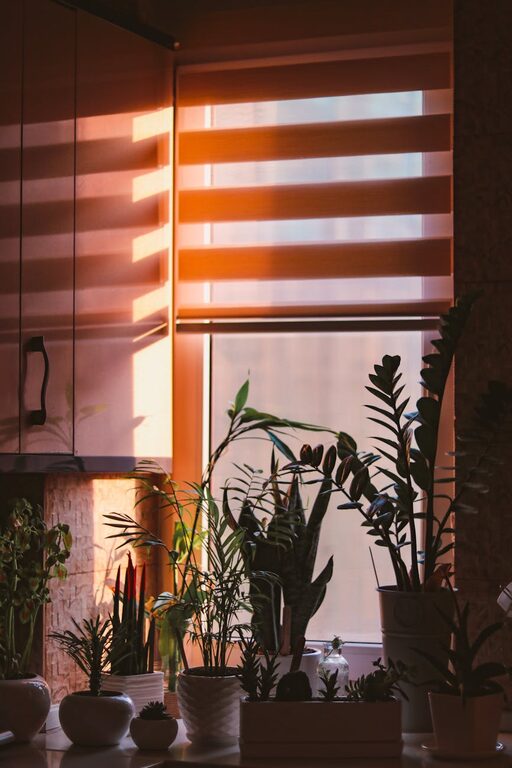
Growing a small herb garden indoors is a rewarding and practical way to bring fresh flavors into your kitchen year-round. Whether you have limited outdoor space or simply enjoy the convenience of homegrown herbs at your fingertips, starting an indoor herb garden is easier than you might think.
In this guide, we’ll cover everything you need to know to get started—choosing herbs, selecting containers, providing proper light, and care tips. By following these simple steps, you’ll soon have a thriving little garden on your windowsill or countertop.
Why Grow Herbs Indoors?
Indoor herb gardening offers several advantages:
– Freshness: Enjoy fresh herbs whenever you want.
– Convenience: No need to run to the store for a sprig of basil.
– Space-saving: Perfect for apartments or places without outdoor gardens.
– Decorative: Adds greenery and a pleasant aroma inside your home.
Step 1: Choose the Right Herbs
Not all herbs thrive indoors equally well, so starting with the right varieties can make a big difference. Some herbs are better suited to indoor growing because they require moderate light and are relatively easy to care for.
Here are some beginner-friendly herbs for indoor gardening:
– Basil: Great for cooking; needs lots of light.
– Parsley: Adaptable and doesn’t require direct sunlight.
– Mint: Vigorous grower but can spread quickly.
– Chives: Low maintenance and tolerant of lower light.
– Cilantro: Prefers cooler temperatures and moderate light.
– Thyme: Requires good light and well-drained soil.
– Oregano: Likes bright light and is drought tolerant.
Step 2: Select Suitable Containers
Choosing the right containers is important for herb health. Consider the following:
– Size: A pot or container at least 4-6 inches deep will provide enough room for roots.
– Drainage: Ensure containers have drainage holes to prevent waterlogging.
– Material: Terracotta pots breathe better but dry out faster; plastic pots retain moisture longer.
– Style: Pick containers that fit your kitchen decor for an attractive setup.
You can even repurpose kitchen items like teacups or small jars with added drainage holes for a creative touch.
Step 3: Use Quality Potting Mix
Herbs grow best in a well-draining potting mix rather than garden soil. Look for a high-quality, light potting soil labeled for indoor plants or herbs. Some mixes contain perlite or vermiculite to aid drainage.
Avoid using regular garden soil as it can be too heavy and may contain pests or diseases.
Step 4: Provide Adequate Light
Light is crucial for healthy herb growth. Most herbs require at least 6 hours of direct or bright, indirect sunlight daily. Here’s what to consider:
– Natural sunlight: Place your herb garden near a south-facing or west-facing window.
– Artificial light: If natural light is limited, supplement with grow lights designed for plants.
– Rotate pots: Turn your pots periodically so all sides receive light evenly.
If you notice your herbs growing leggy or leaning toward the light source, it’s a sign they need more light.
Step 5: Watering and Care
Proper watering and care will keep your herbs thriving:
– Watering: Water when the top inch of soil feels dry. Avoid overwatering—herbs do not like soggy soil.
– Humidity: Indoor air can be dry; occasional misting or placing a tray of water nearby can help.
– Feeding: Use a balanced liquid fertilizer once a month during the growing season.
– Pruning: Regularly pinch off leaves to encourage bushier growth and prevent flowering, which can reduce flavor.
Step 6: Harvesting Your Herbs
You can start harvesting herbs once plants are established and have enough leaves. Follow these tips for sustainable harvesting:
– Use clean scissors or pinch leaves by hand.
– Harvest in the morning for best flavor.
– Don’t remove more than one-third of the plant at a time.
– Regular harvesting encourages new growth.
Additional Tips for Success
– Monitor pests: Indoor herbs can occasionally attract pests like aphids or spider mites. Check leaves regularly and treat as needed with natural remedies.
– Temperature: Keep herbs in temperatures between 65°F and 75°F for optimal growth.
– Air circulation: Good airflow prevents mold and fungal issues.
Conclusion
Starting a small herb garden indoors is an enjoyable way to add fresh ingredients to your meals and brighten your living space. With the right herbs, containers, and care, you can grow a flourishing green oasis right in your kitchen. Whether you’re a seasoned gardener or a beginner, these easy steps will set you on the path to successful indoor herb gardening.
Happy growing!